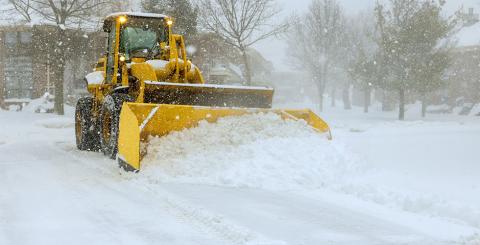
What to do in the event of a snowstorm, hail, or ice

Is Quebec being hit hard by a snowstorm, hailstorm or ice storm? When the weather gets out of control, it can do major damage to your home and car. If you’ve experienced storm related losses, know that Promutuel Insurance understands how urgent these situations are and the challenges you may be facing.
Our phone lines may be much busier when a large swath of the province is hit by a major storm. When that happens, know that our teams are working hard to serve you as quickly and effectively as they can.
To help you act quickly and safely, here are some of the best things you can do to minimize the risk of damage and speed up your insurance claim, when applicable.
What to do during a winter storm
If you find yourself faced with a snowstorm, ice storm or high winds, here’s what you should do to reduce the risk of injury and damage.
1. Monitor the storm’s progress.
- Check official weather alerts for your area regularly.
- Stay on top of important notices and information from your municipality about things like restrictions, closures and where to find heated shelters.
2. Protect your home.
- If the power goes out in winter, follow the Quebec government's recommendations, including these guidelines:
- Keep your fridge and freezer doors closed as much as possible.
- Do not unplug your fridge, freezer or any other appliances containing chlorofluorocarbon (such as Freon), including wine cellars and wine coolers.
- Unplug any devices that are not connected to a surge protector.
- Do not use a space heater or outdoor cooking appliance indoors.
- Shut off the water supply, then drain the pipes and pour antifreeze into them.
- Follow the installation and operating instructions for your generator and space heater.
- Watch for signs of hypothermia, such as difficulty moving, loss of alertness, or cold, grey skin.
- Clear any buildup of snow and ice from your roof, car shelter, the exhaust vents of your appliances (clothes dryer, range hood, air exchanger, etc.), your basement windows and window wells, and your above-ground pool or hot tub.
- Frequently inspect the foundation and roof of your property to quickly identify any damage or cracks.
- Keep an ear out for unusual noises, such as new cracking or whistling sounds, and check for visible signs of damage, such as water or moisture buildup, a door that no longer closes properly or a sagging ceiling.
3. Be extra careful when driving.
- Avoid all nonessential driving.
- Clear the snow from your car often to keep snow and ice from building up.
- If you absolutely must drive:
- Check road conditions by visiting the Québec 511 website or by calling 511.
- Let your loved ones know if you’re travelling.
- Remember to adapt your driving to the winter conditions to prevent accidents.
How to safely clear snow when a storm hits
After a storm, it is critical that you clear the snow that has built up and could damage your property and cause water leaks. Here are a few important things to keep in mind when shovelling snow.
When to clear snow from your roof
- As soon as there’s more than 60 cm (2 feet) of snow
- If a layer of ice has formed on top of it
- If the forecast is calling for milder weather followed by rain (which can put pressure on a roof)
- If you hear unusual cracking noises
How to clear snow from your roof safely
- Follow the guidelines from the Commission des normes, de l’équité, de la santé et de la sécurité au travail (CNESST) (French only).
- Use a roof rake while standing on the ground.
- Clear the snow gradually, in thin layers.
- Do not go up onto the roof, especially during an ice storm.
- If you’re not sure how to do it safely, leave it to the professionals.
How to clear snow from your temporary car shelter
- Always remove the snow from the outside, using a roof rake.
- Lift the snow off the top instead of pushing up from the inside of the structure.
- Prevent snow from piling up on the sides, where the structure is more fragile.
What equipment to use to prevent injuries
- Ergonomic shovel and rake
- Non-slip winter boots
- Insulated mittens
- Ice cleats if there’s ice on the ground
- High-visibility clothing (with bright colours or reflective strips) when visibility is low
How to prepare for a winter storm
When the forecast is calling for a snowstorm, ice storm or hailstorm, prevention is always the best way to protect yourself. Often, it’s what you do before the bad weather strikes that will help keep headaches and major damage to a minimum. Here's how to prepare so you can avoid unpleasant surprises.
1. Closely monitor weather alerts.
Check the Government of Canada weather alerts regularly and turn on notifications for your area. The sooner you know, the more time you’ll have to take preventive measures.
2. Limit travel.
Plan your outings before the snow, hail or ice hits.
3. Be prepared for a power outage.
Winter storms often lead to blackouts. Make sure you have a fully stocked “snowstorm emergency” kit with three days’ worth of supplies. The kit should include:
- drinking water
- warm blankets
- non-perishable food
- a battery-powered radio and flashlights
- a first-aid kit
- a lighter or matches
4. Stock up in advance
Stock up on food, medication, personal hygiene products, baby formula, and all other essentials so you don’t have to go out in the middle of a storm.
5. Create a family emergency plan.
Who does what? How do we get in touch if communication is cut off? Who should we call? A clear plan can make those critical moments less stressful.
6. Make sure your backup light and heat sources are safe.
If you’re using a generator, only place it outdoors, and closely follow the manufacturer’s instructions and your municipality’s guidelines.
7. Secure your home.
There are several steps you can take to reduce the risk of damage to your property. Here are some safety precautions to take before a snowstorm.
- Thoroughly inspect the perimeter of your home to prevent air and water leaks.
- Secure or put away any outdoor equipment that could blow away.
- Make sure your gutters and downspouts are cleared of any debris to prevent ice or snow from accumulating, which could cause leaks.
- Check your roof for any curled or damaged shingles.
- Close and lock the doors to any sheds.
- Make sure your temporary car shelter is securely anchored to the ground.
- Clear snow from key access points (walkways, doorways, driveway, emergency exits) before the storm intensifies.
- Keep essential tools and supplies within easy reach: shovel, salt, sand, outdoor extension cord, etc.
8. Protect your car from harsh weather.
Store it in a garage, carport or car shelter, if you have one. Otherwise, park it away from trees, streetlights and power lines that could collapse under heavy snow or ice. Be sure to have your snow removal equipment ready as well: an ergonomic shovel, a scraper and a snow brush. Also, make sure you have a winter driving kit in the trunk of your car.
9. Be prepared for black ice.
When an ice storm is on the way, make sure you have non-slip ice cleats for your boots and an abrasive material such as salt or sand.
10. Check your municipality’s emergency plans.
Knowing things like emergency numbers and where to find local shelters and resources will help you act quickly in an emergency.
Has your property been damaged? Promutuel Insurance is THERE to help you weather the storm.
If your home or car has been damaged by snow, ice or hail, know that your associated insurance policies usually cover this kind of damage, subject to their applicable terms, limitations and exclusions. At Promutuel Insurance, we’re THERE to guide you every step of the way and provide you with support as quickly as possible. However, since these events sometimes affect the whole province, the volume of calls can be exceptionally high in those cases, resulting in longer wait times for reporting a loss or following up on a claim. Please be courteous with our teams.
To speed up processing, file the claim online in your Client Space. It’s a fast, convenient and easy way to file your claim and get the latest information on its status.
Don’t have access to your Client Space yet? Sign up now to make it even easier to report or file a claim in the future!
Have questions about your current coverage? Contact our damage insurance agents!